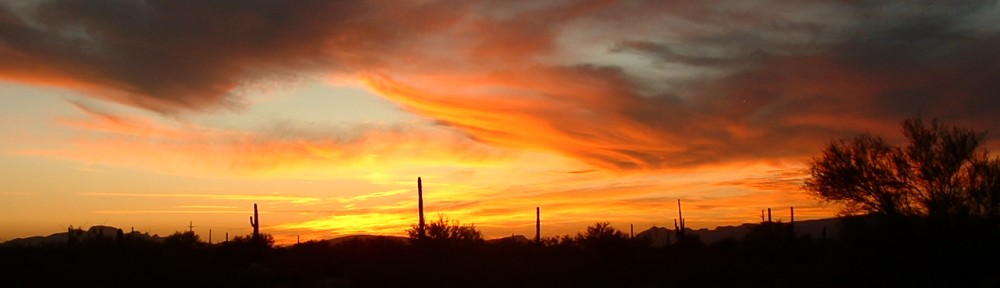
The year was 2003. My wife Dottie and I were aboard a ship with Princess Cruises. We had made the zillion-hour flight from Los Angeles to Sydney, rested a few days, then set sail. It was late December, the height of the Austral summer, and hotter than the hinges of hell. Sydney felt like an inferno, and it was a relief to board the ship. We stopped in Melbourne and then Adelaide, and time spent ashore in each city was also miserably hot. We then headed south across Bass Strait and rounded Tasmania to arrive in Hobart. What a delightful change! It was cool and pleasant, and we fell in love with the place, not wanting to leave. But leave we did, taking 2 nights and a day to cross the Tasman Sea.
One evening on that crossing, we were in a bar on an upper deck enjoying a drink and dancing, when we realized that we were sitting a few feet away from a well-known personality. Howie Mandel was there with his family, enjoying some time off from his busy schedule as a television personality. He was very personable, mentioning that his daughter was a student at the University of Arizona, which happened to be where Dottie worked. Since he and I were both originally from Canada, we had plenty to talk about.
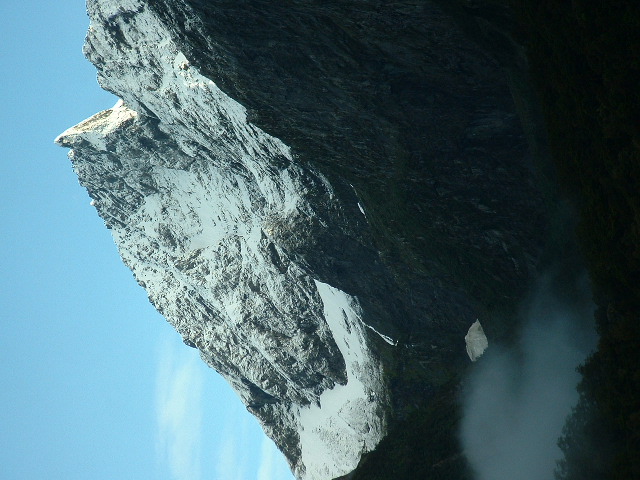
On the morning of December 29th, we awoke to find ourselves in Milford Sound. This is a famous place, known world-wide for its spectacular scenery. It sits on the west coast of South Island of New Zealand, in what is known as Fiordland National Park. You can actually access Milford Sound by road, from Te Anau and the Homer Tunnel – in fact, that may be the only road access to the entire west coast of Fiordland. I had been there once before, in August of 1992, having hitch-hiked on a winter’s day, and had taken this photo of Mitre Peak. It towers 5,522 feet straight up from the ocean.
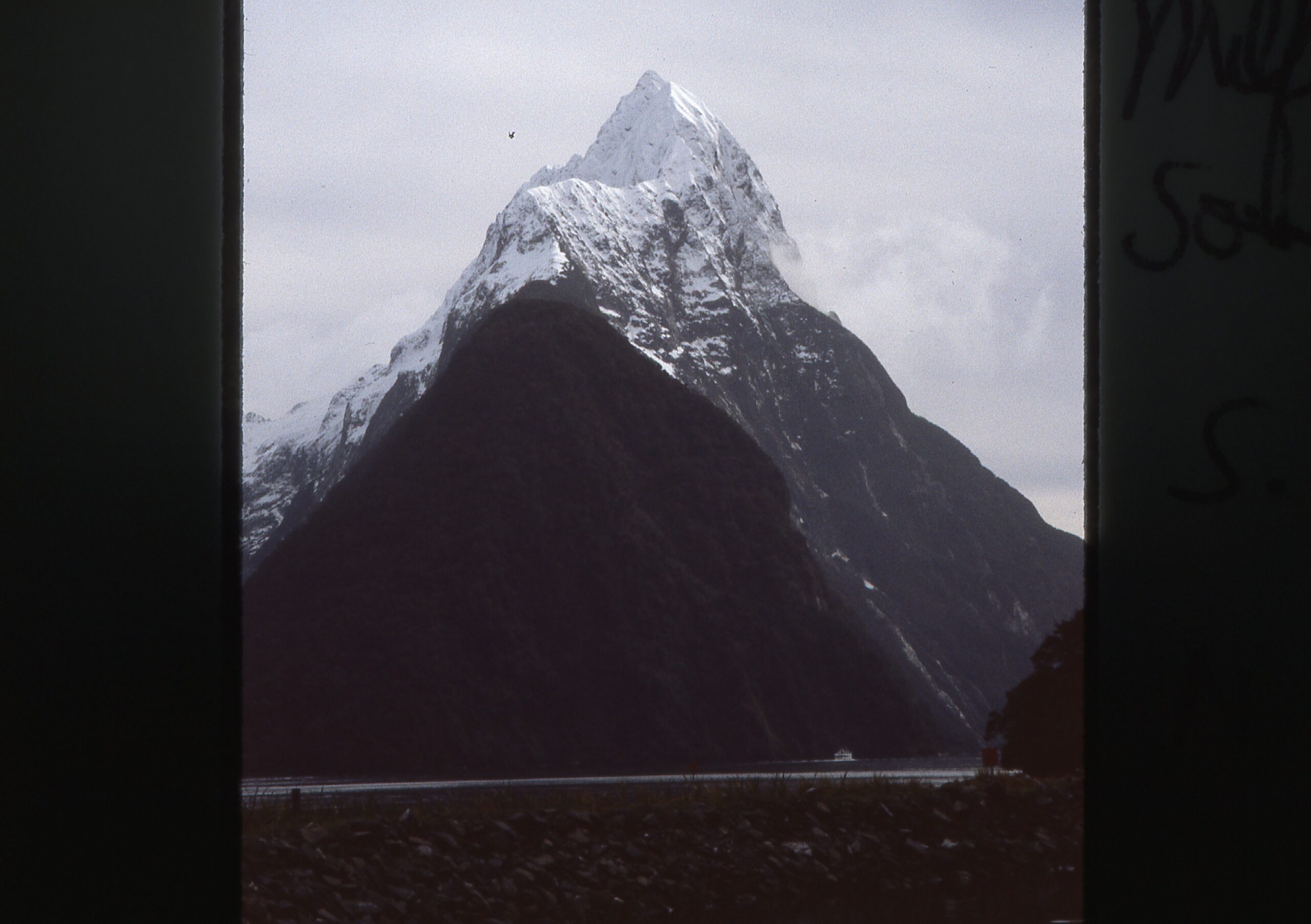
Mitre Peak – that’s one of the tourist boats that plies the waters of Milford Sound
So now here we were, and this time in mid-summer. Our ship had made its way almost to the head of the sound, about 9 miles inland from the Tasman Sea. It has been judged the world’s top travel destination in an international survey and is acclaimed as New Zealand’s most famous tourist destination (which is saying a lot for a country with incredible beauty from one end to another). Rudyard Kipling called it the eighth wonder of the world. This piece is going to focus more on the scenery than on words, because there’s so much beauty to show you. Firstly, several photos I took on that December day. You might notice all of the fresh snow atop the mountain peaks, and this was the height of summer!
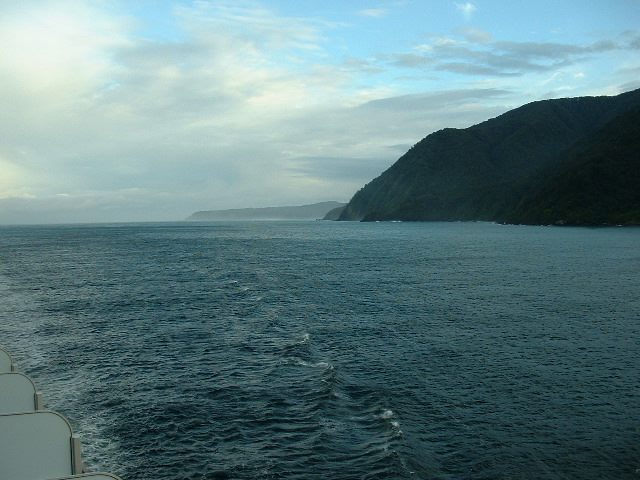
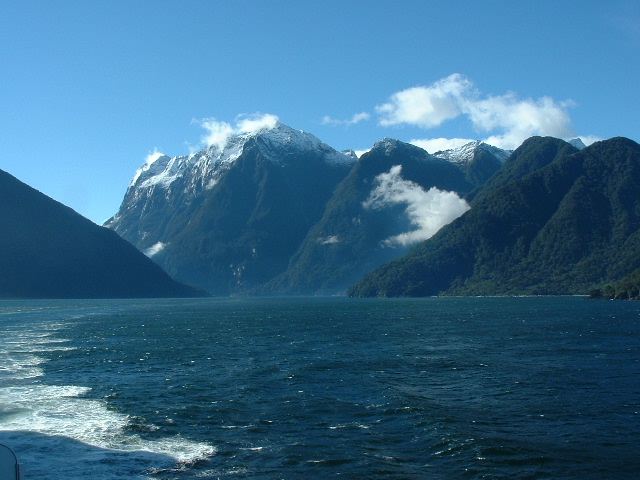
Entering Milford Sound, looking back northwest towards the Tasman Sea.
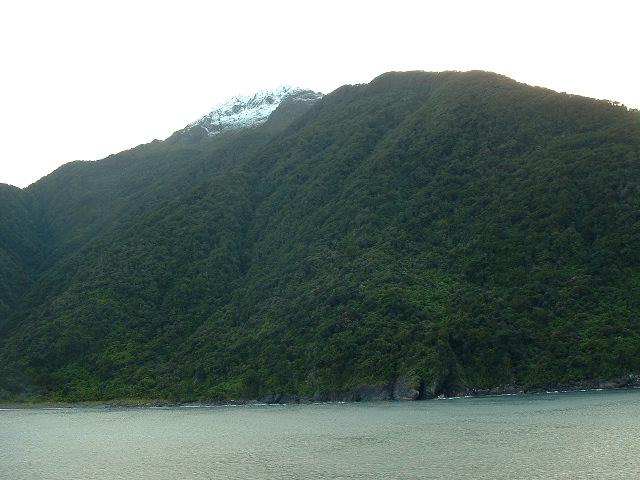
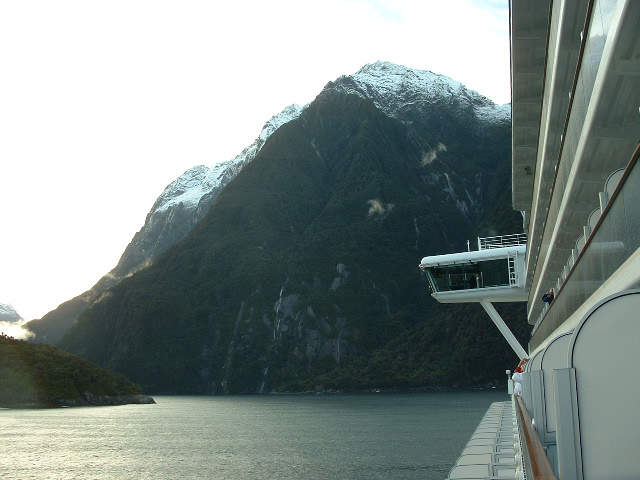
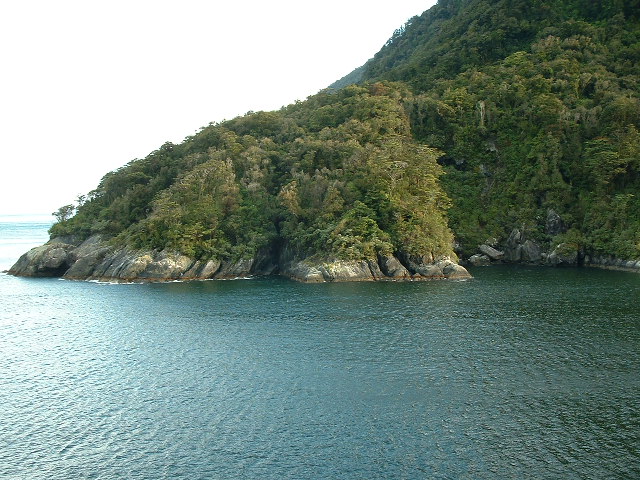
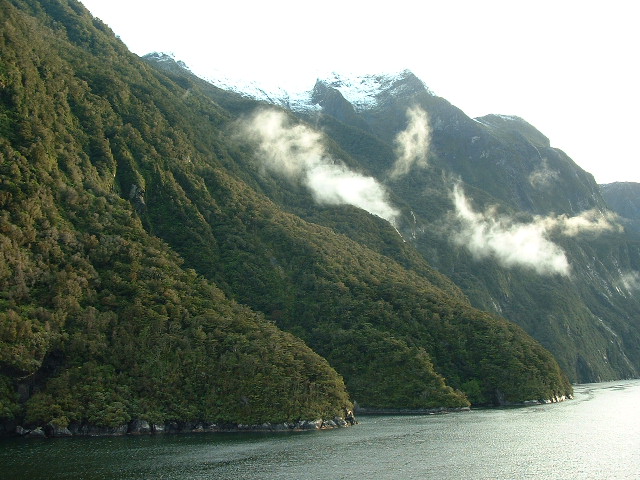
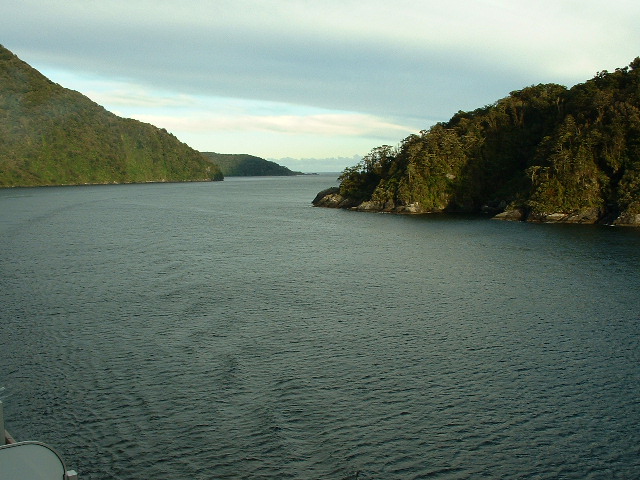
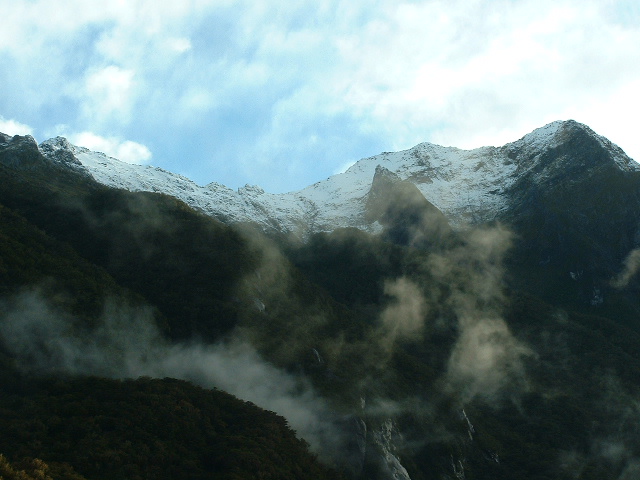
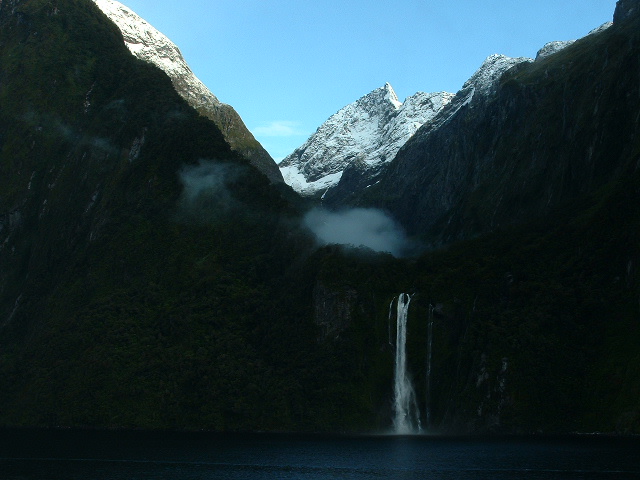
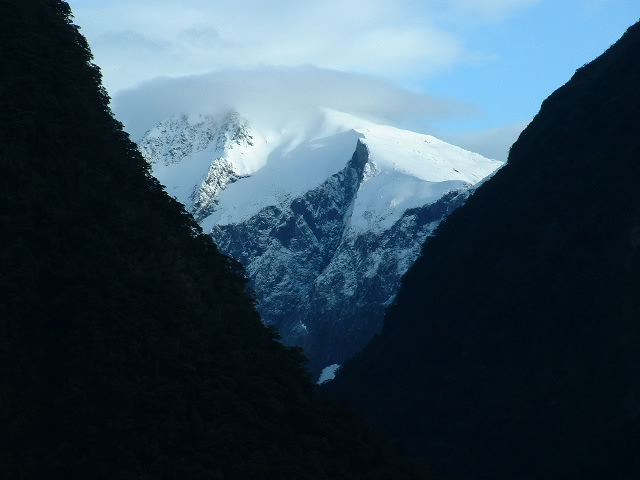
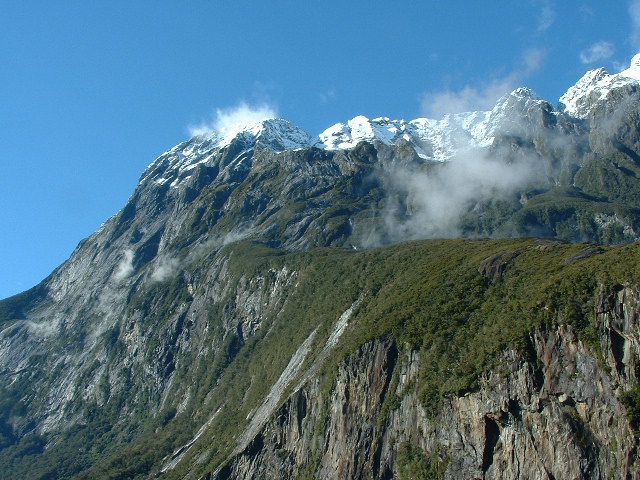
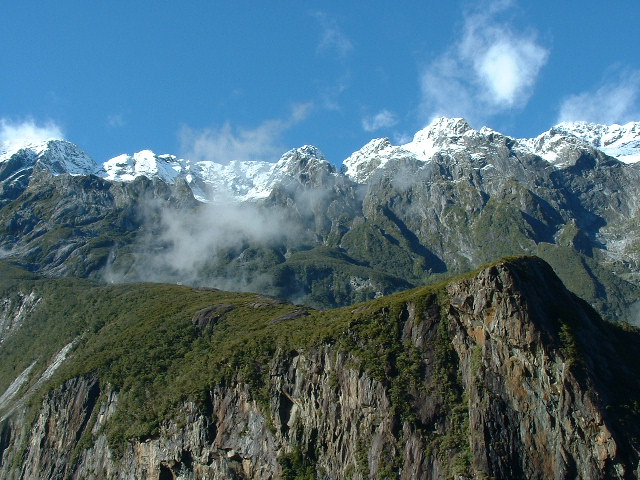
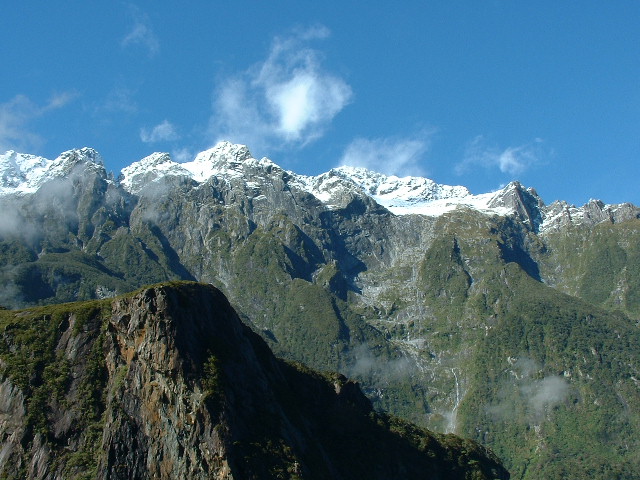
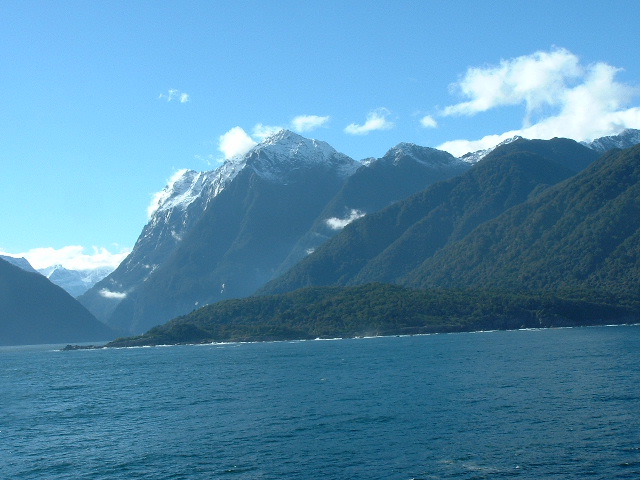
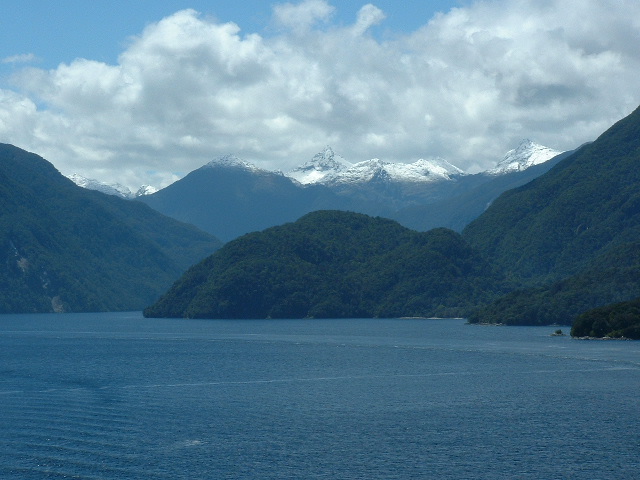
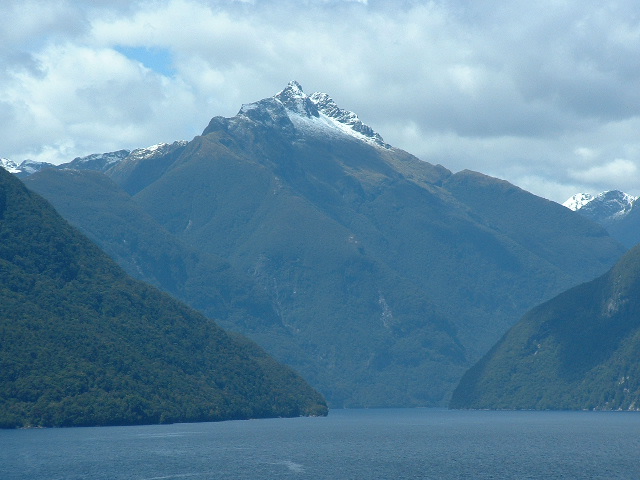
That’s fresh snow, in the summer.
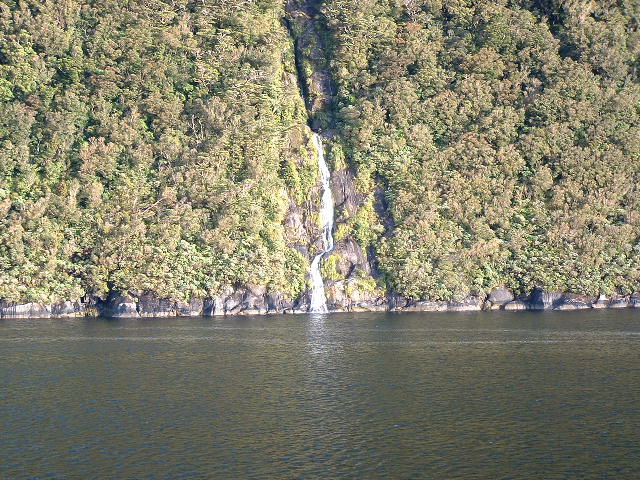
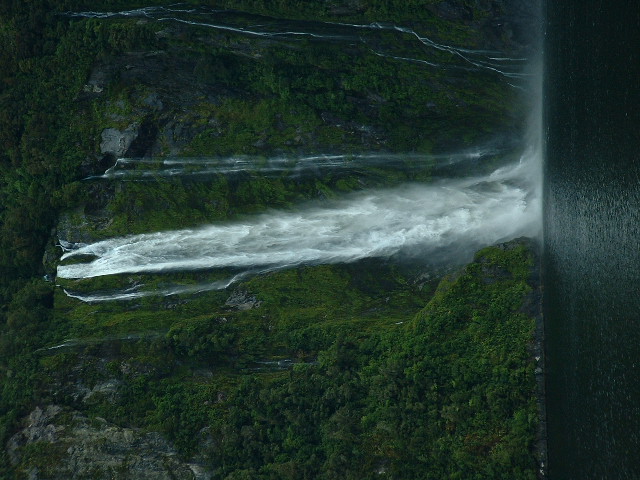
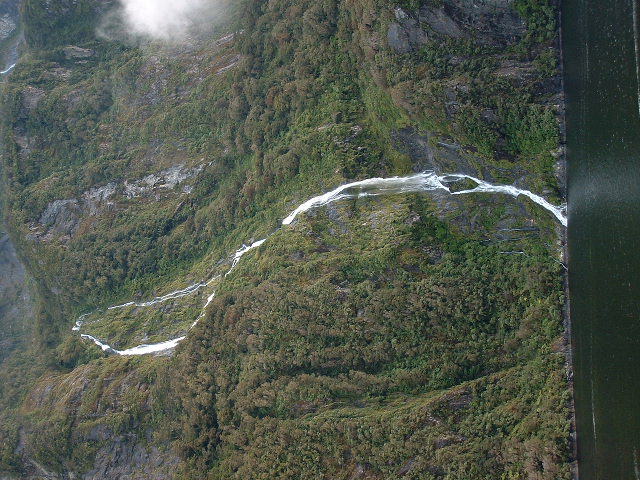
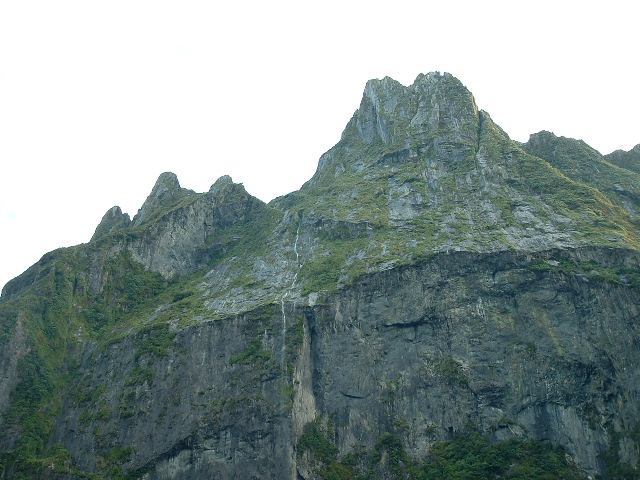
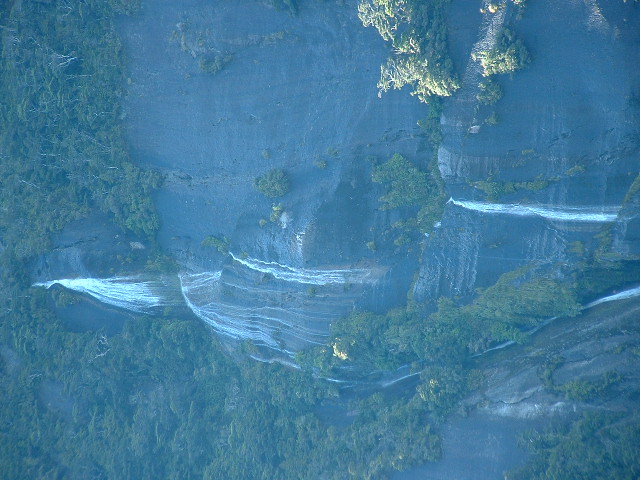
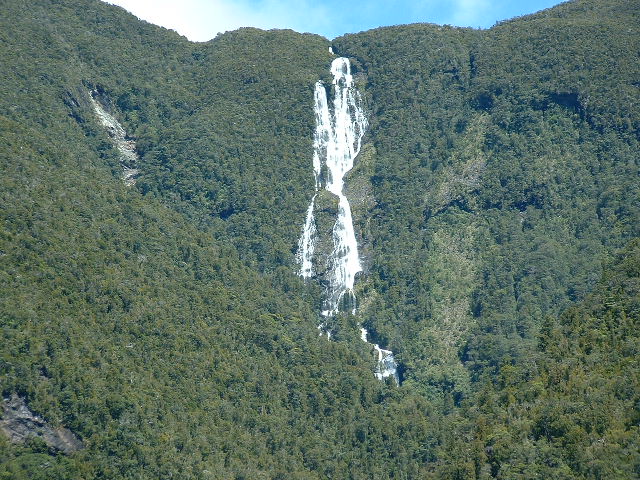
There are hundreds of waterfalls cascading down the steep slopes in Fiordland.
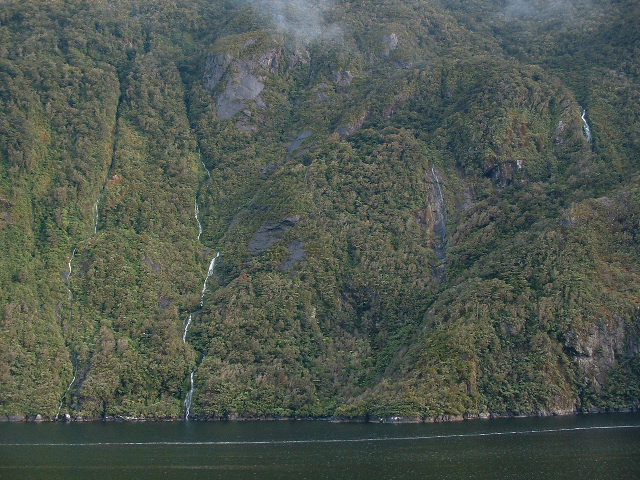
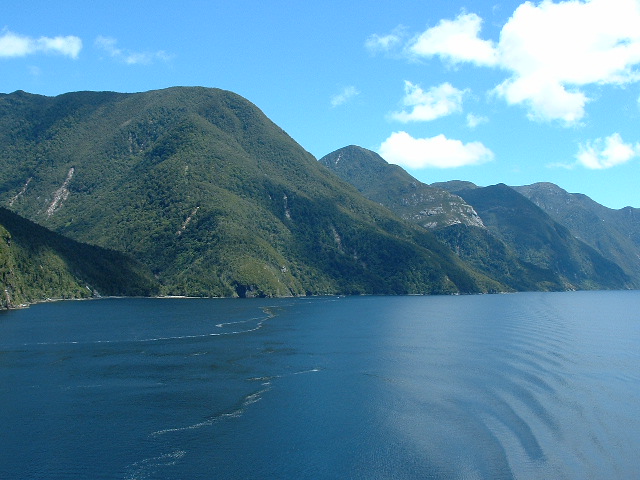
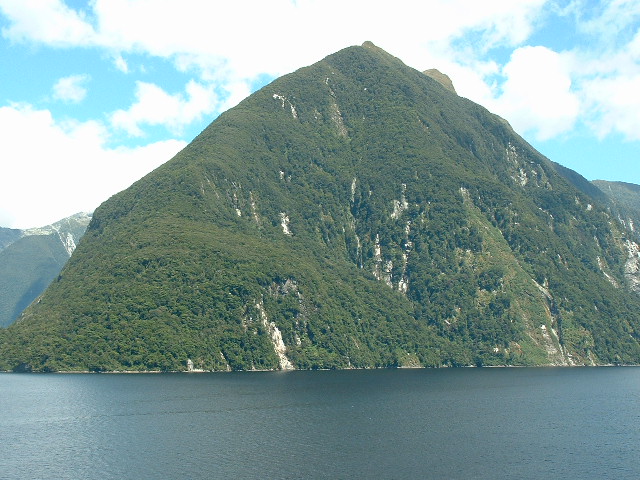
Lush vegetation.
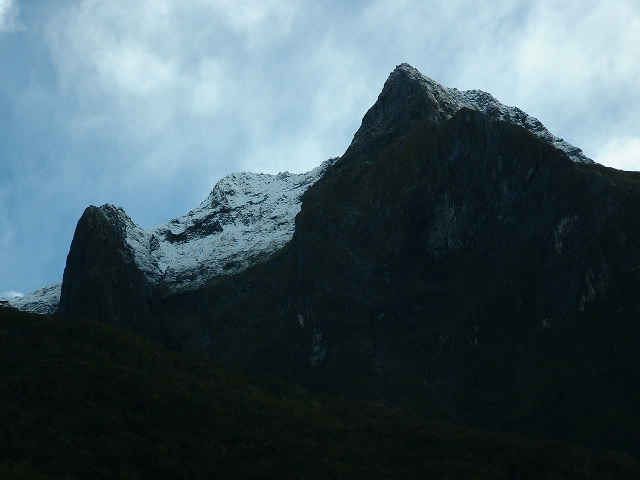
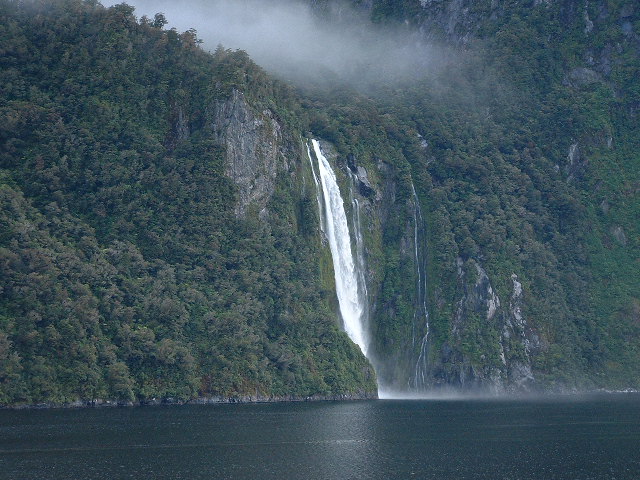
Stirling Falls, 508 feet high.
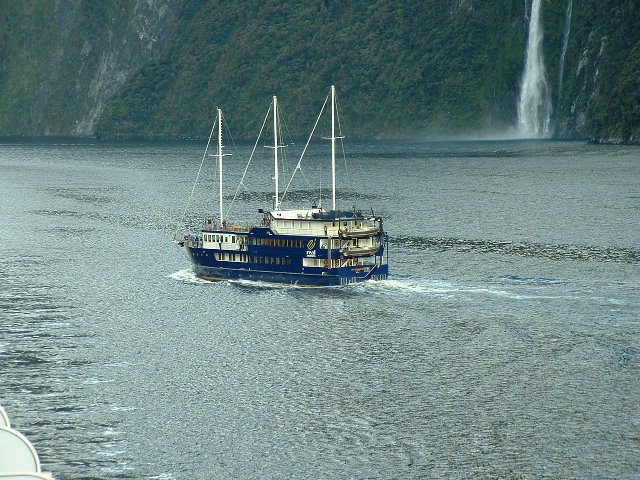
One of several boats taking tourists up and down Milford Sound.
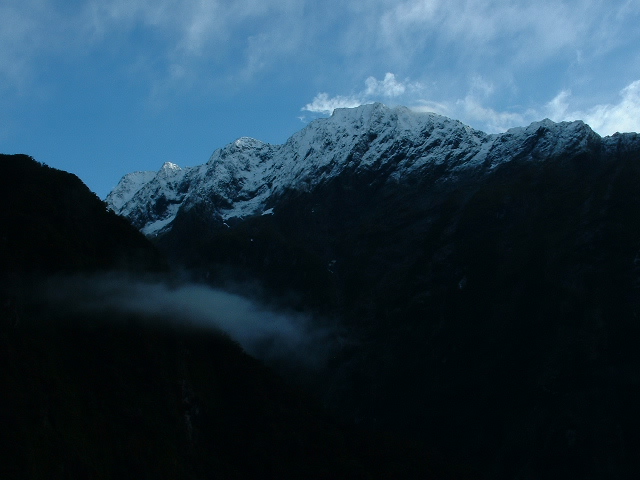
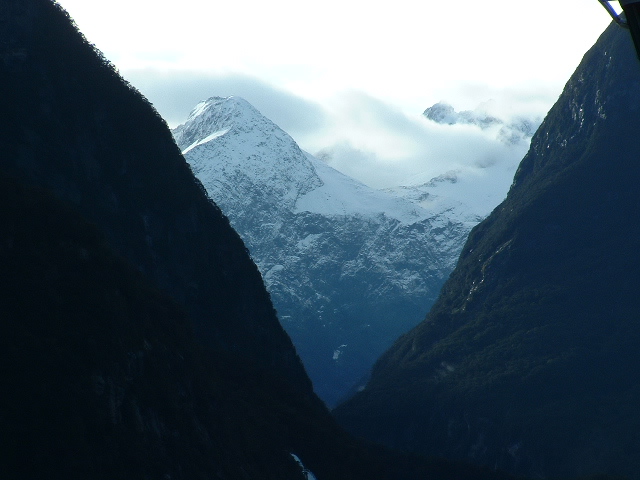
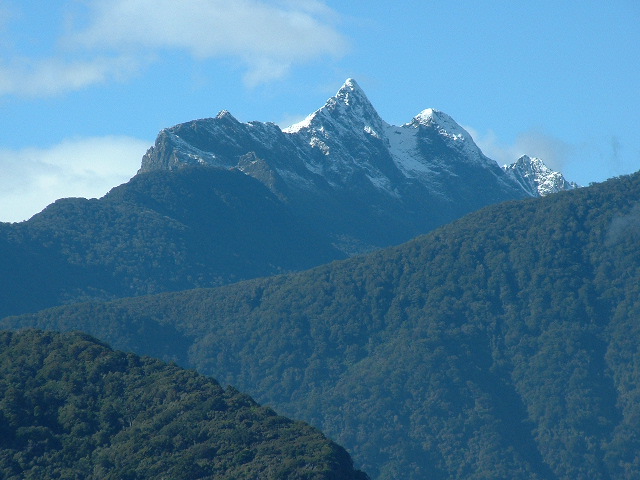
We had glimpses up narrow valleys to the high peaks of Fiordland.
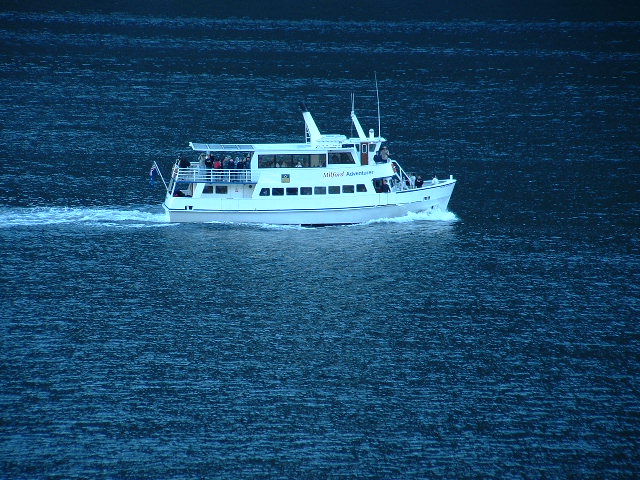
Another tourist boat – this one was called Milford Adventures.
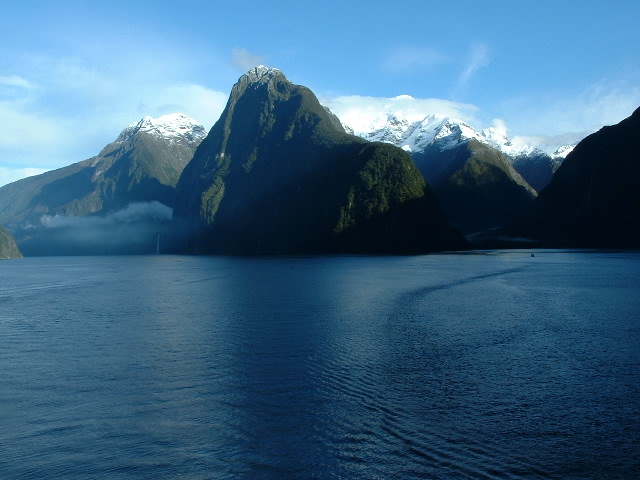
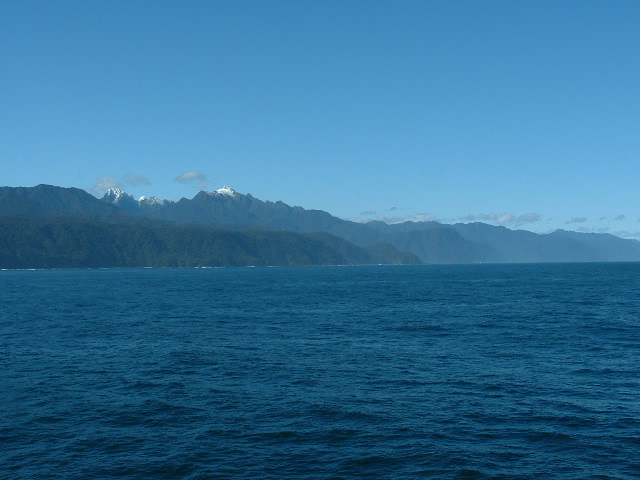
Leaving Milford Sound and heading out into the Tasman Sea.
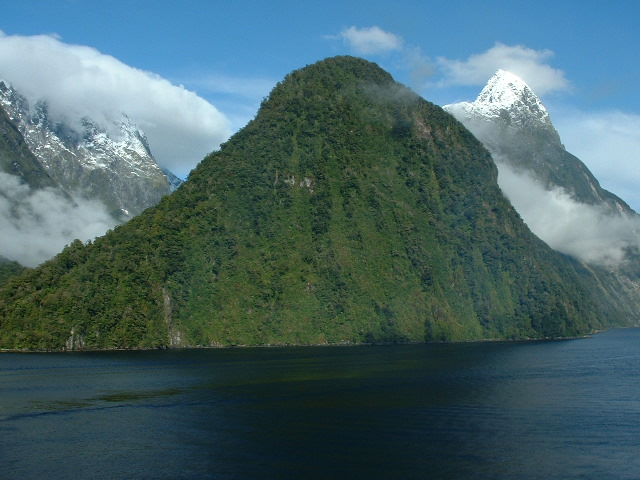
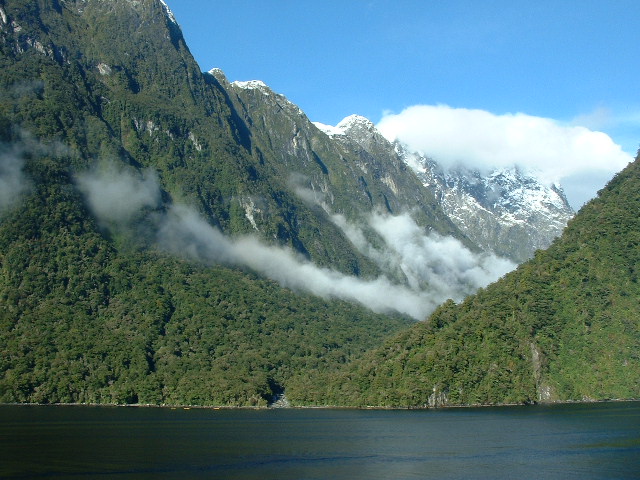
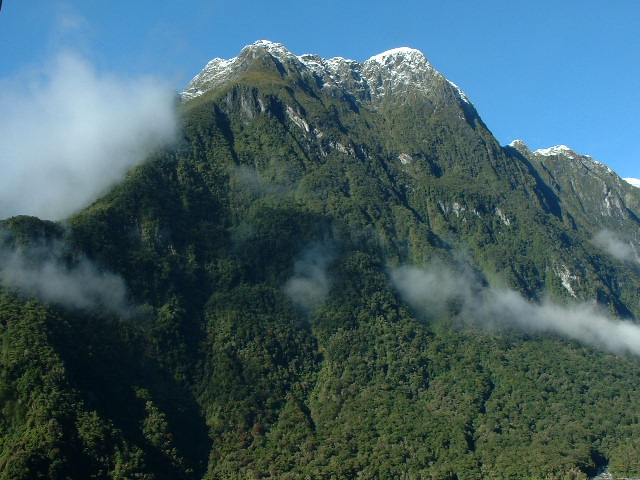
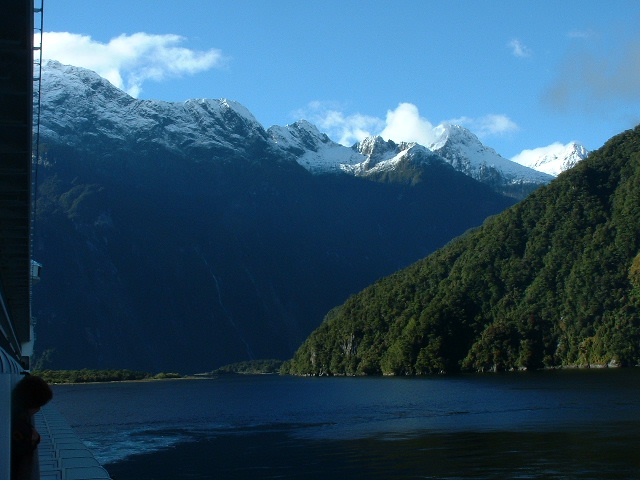
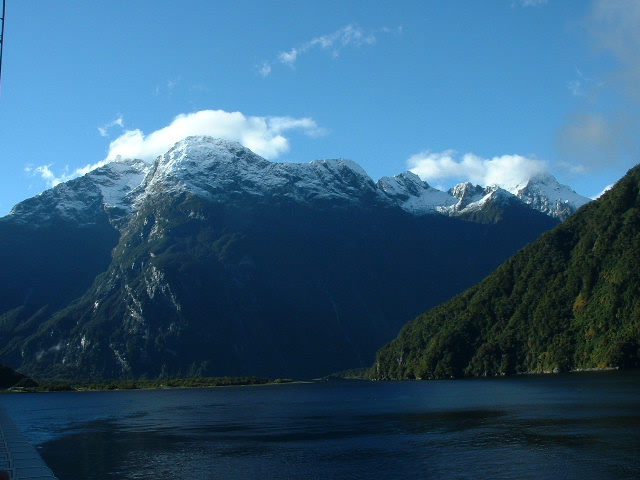
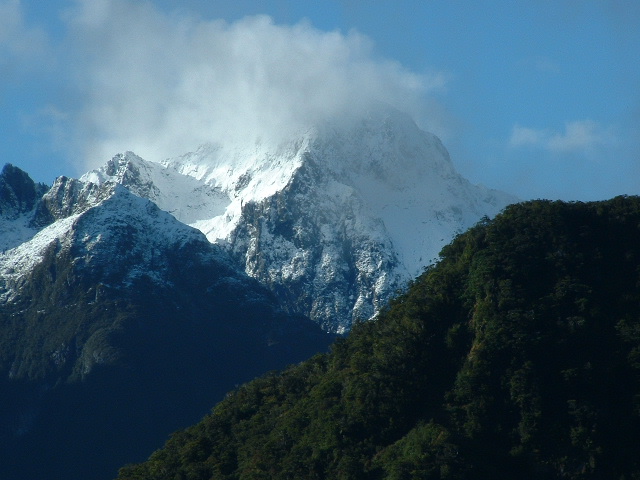
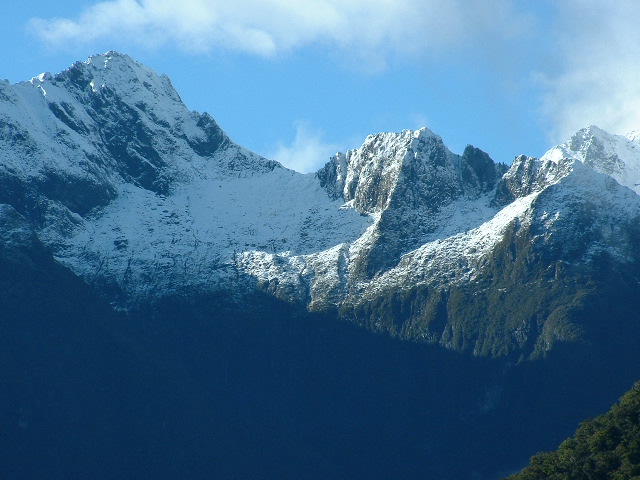
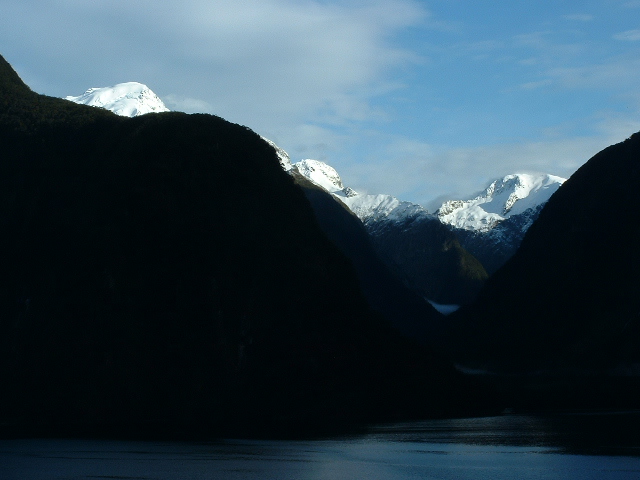
Now heading south down the coast, our glimpses east into the high mountains of Fiordland were amazing.
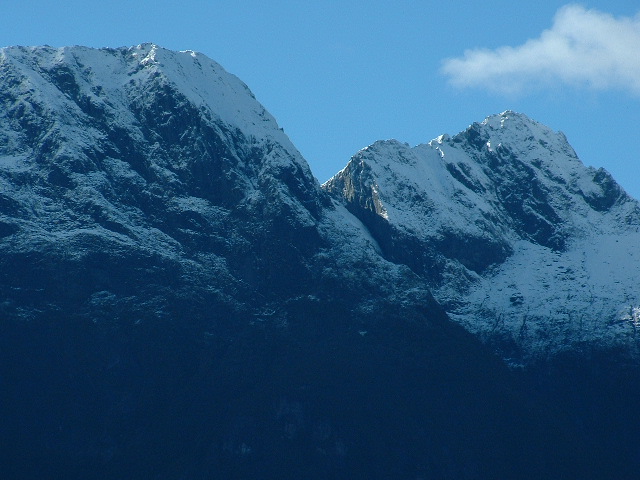
Many of these pictures were only taken a minute apart, so quickly was the scenery changing.
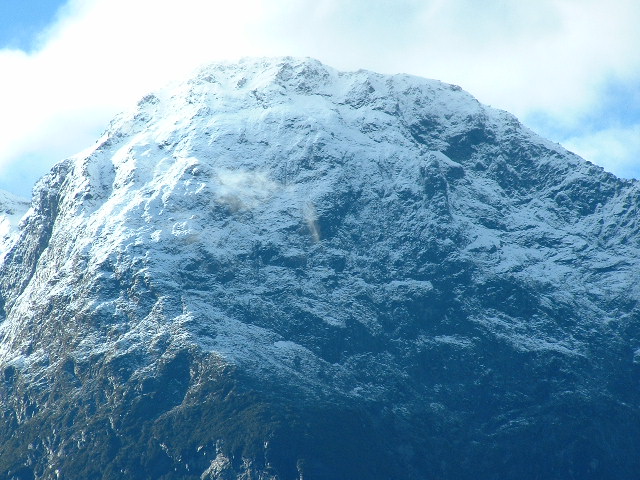
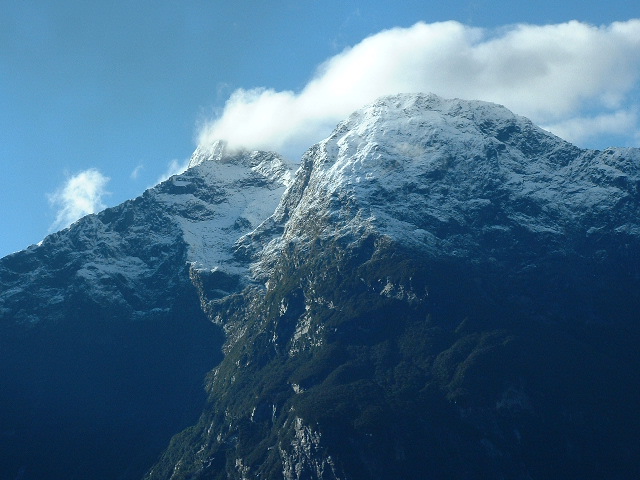
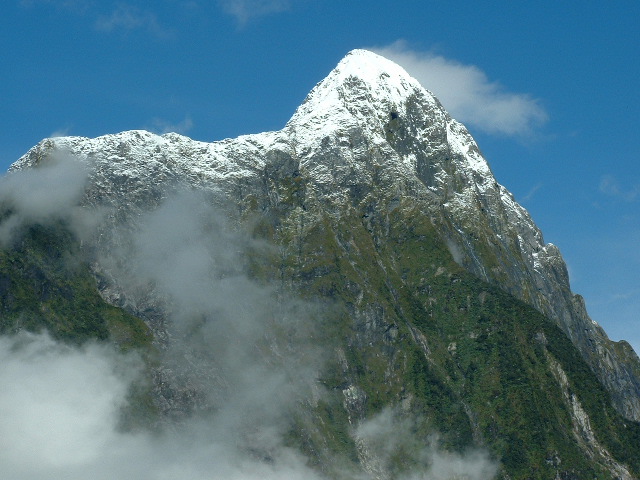
Fiordland National Park is a UNESCO World Heritage Site established in 1990. The park is administered by the Department of Conservation (known as DOC for short), which oversees all of the protected areas of New Zealand.
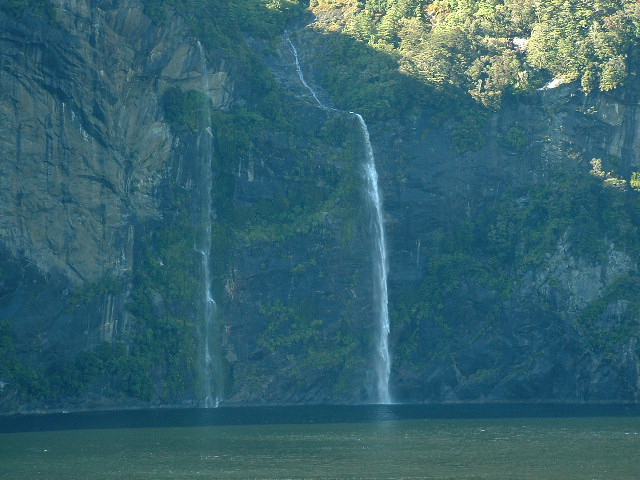
Another of the beautiful waterfalls seen along the way.
They say that the best time to see the waterfalls is during or after a rain, which isn’t hard to do, considering that the area gets about 275 inches of rainfall a year.
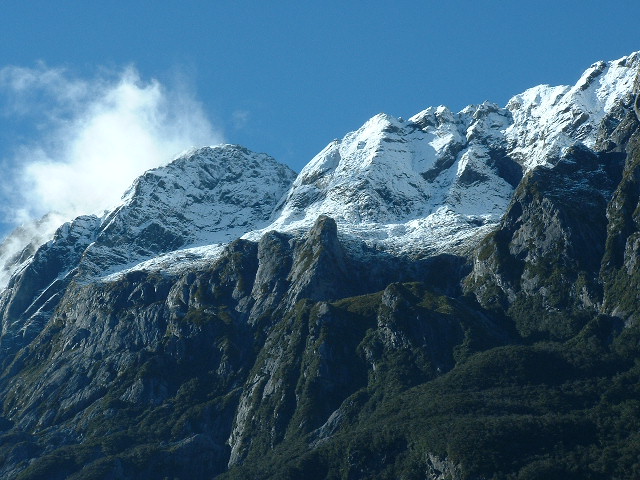
That is all fresh snow that you are seeing – keep in mind the fact that this is the middle of summer.
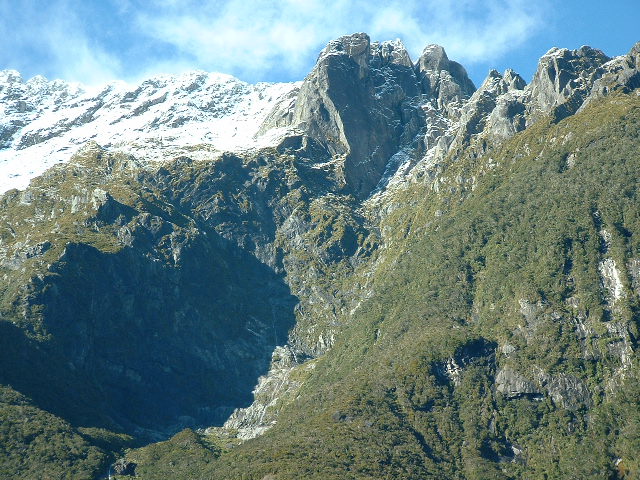
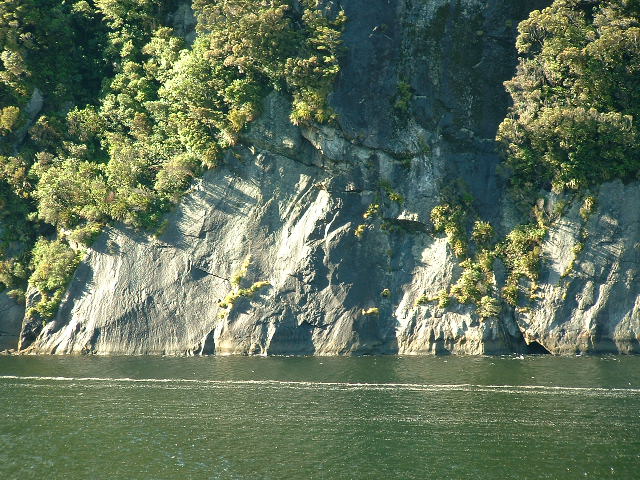
The high-tide mark is clearly visible on the side of the cliffs.
Fiordland occupies about the same area as the U.S. state of Connecticut. The southernmost ranges of the Southern Alps occupy most of the park.
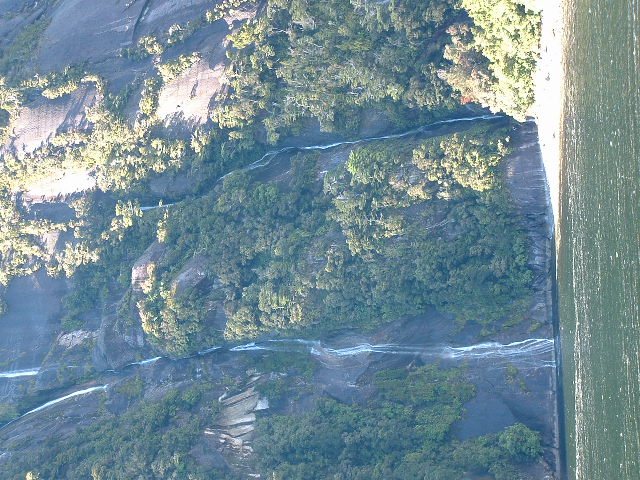
 The Māori people can trace their history with Fiordland back 1,000 years, and it has always been a place of special significance to them.
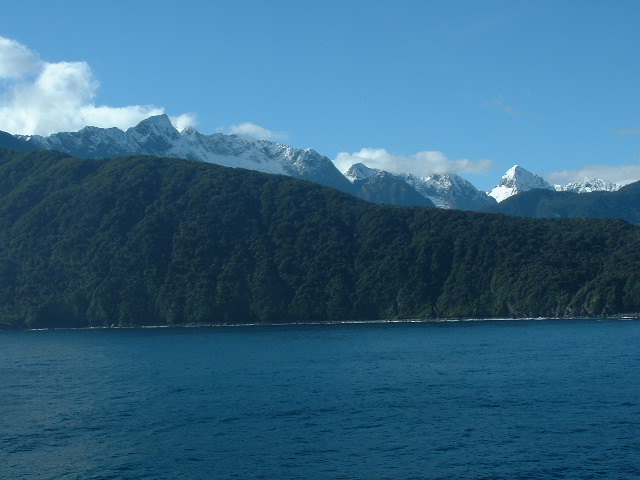
It’s called Fiordland for a good reason. There are 15 fiords, some of which reach as far as 25 miles inland.
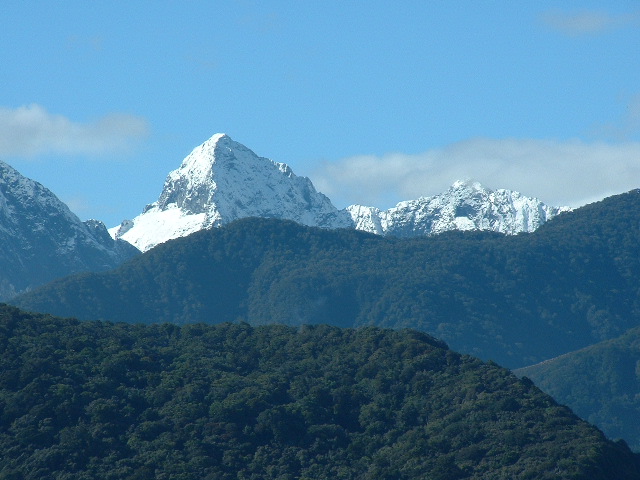
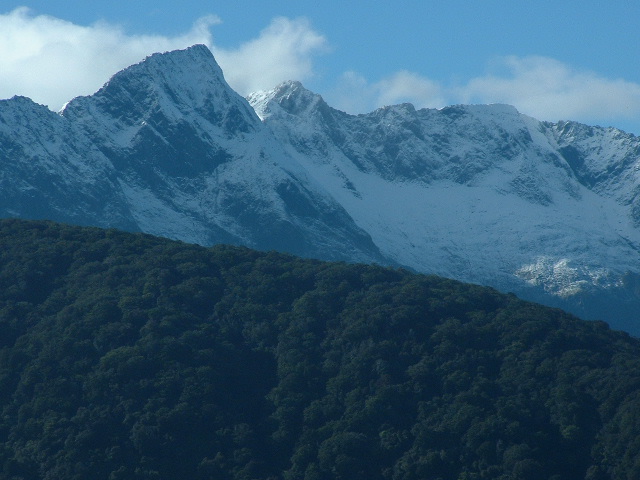
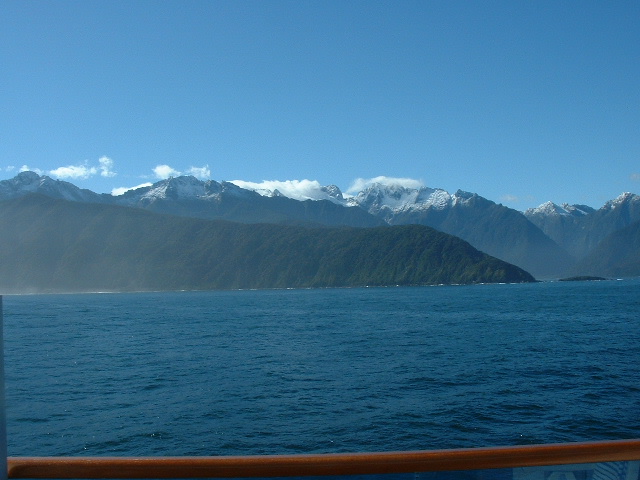
At the northern end of the park, the Darran Mountains contain several peaks rising to over 2,500 metres (8,200 ft), with views of Mount Aspiring (Tititea) to the north in the neighboring Mount Aspiring National Park. Further south, the Franklin Mountains, Stuart Mountains, and Murchison Mountains reach around 2,000 metres (6,600 ft), with the peaks diminishing in height from north to south. The Kepler, Dingwall, Kaherekoau, Princess, and Cameron Mountains further south only reach 1,500–1,700 metres (4,900–5,600 ft).
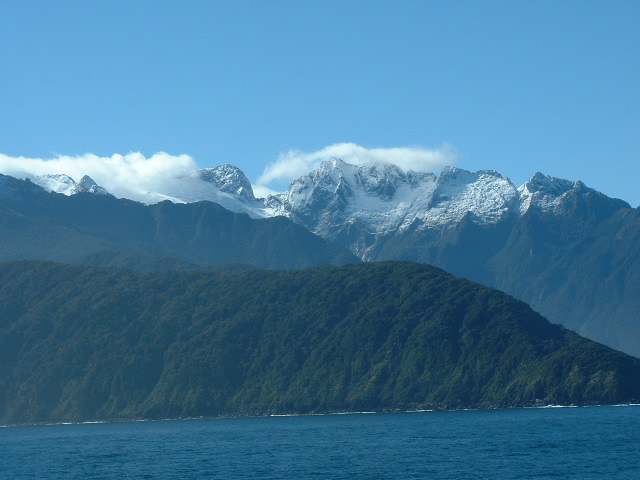
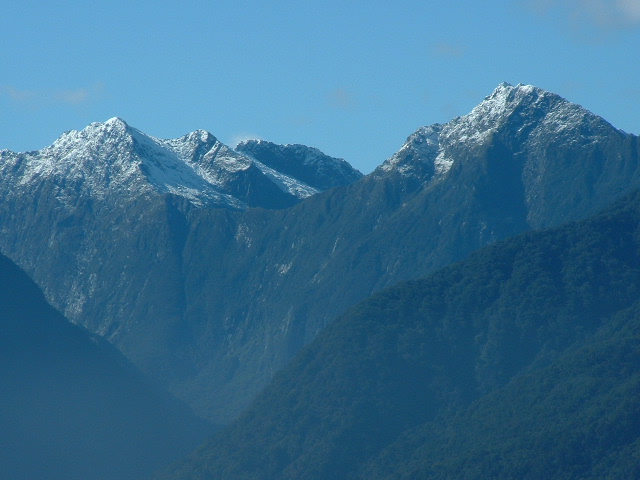
Fresh snow.
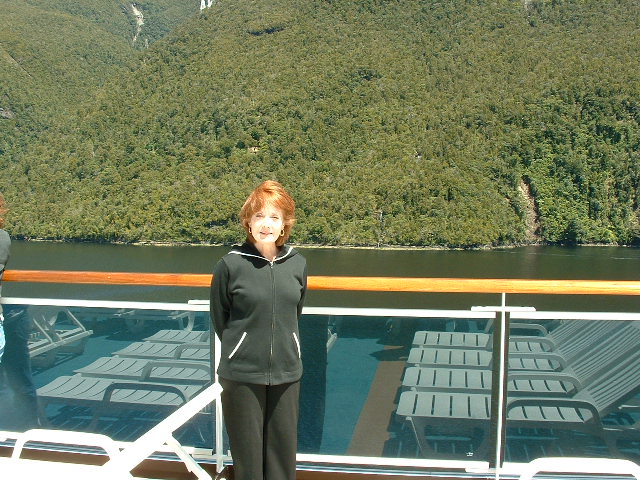
A picture of my beautiful Dottie on the ship.
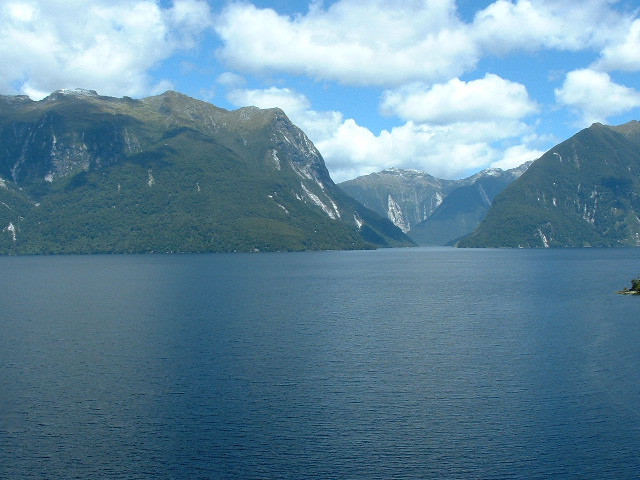
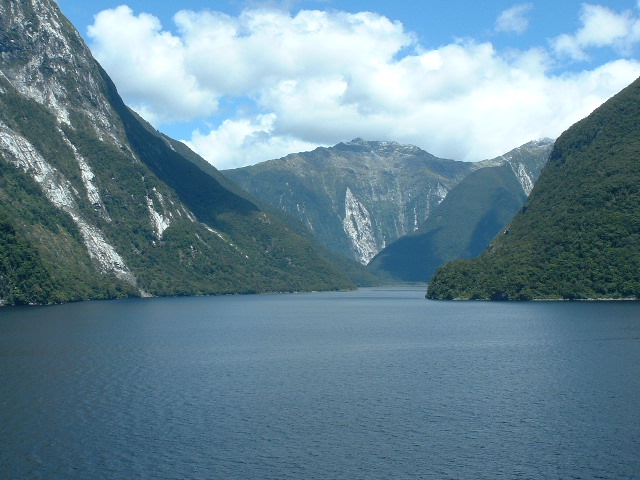
A look up one of the fiords.
The park is a significant refuge for many threatened native animals, ranging from dolphins and bats to reptiles, insects, and endangered species of birds endemic to New Zealand, such as the takahē, mōhua, kākāpō and southern brown kiwi.
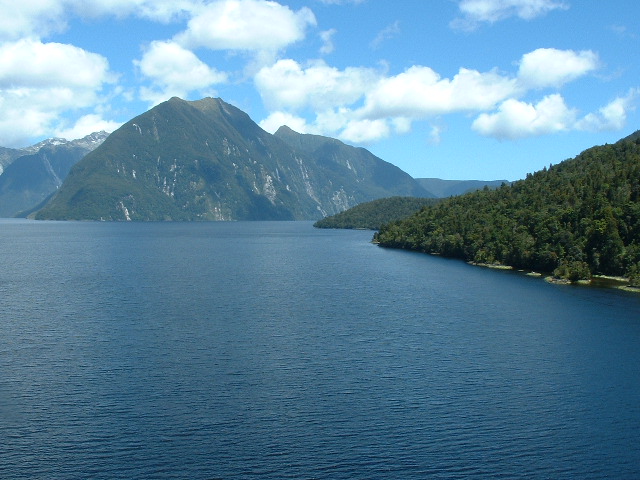
The first European exploration of Fiordland occurred in March of 1770 by Captain James Cook.
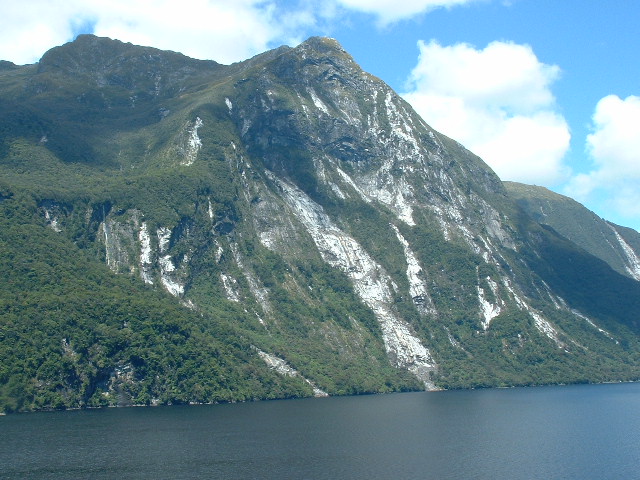
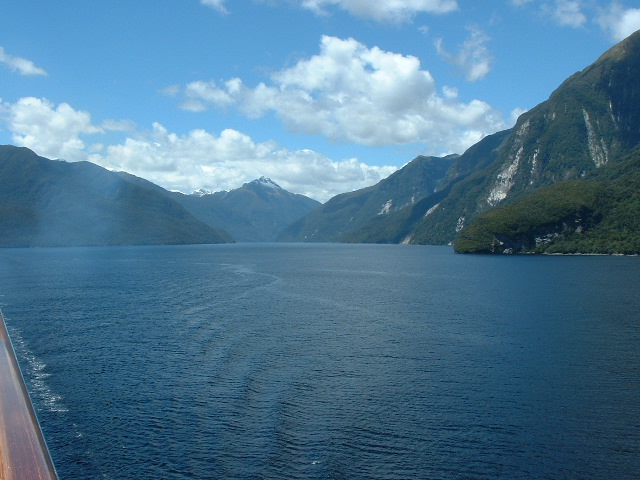
The dense forests, often clinging to steep valley sides, comprise mostly silver beech and mountain beech, but also podocarps. A large variety of shrubs and ferns, often dominated by crown fern, make up a rich understory of plants, with the forest floor covered in mosses and liverworts. The abundant vegetation is supported by the high rainfall, but continues to be damaged by introduced species such as red deer and possum.
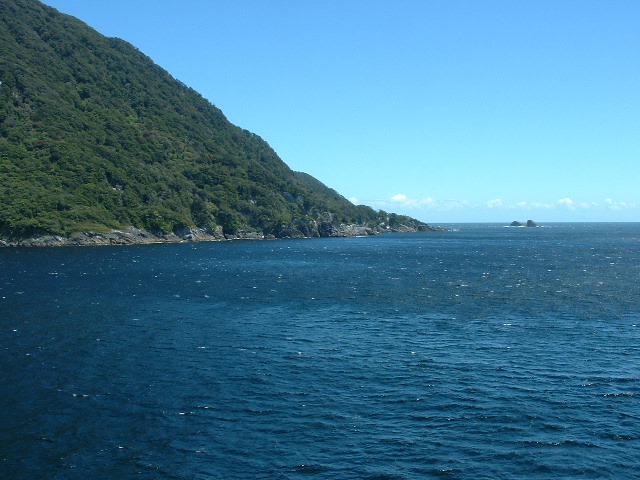
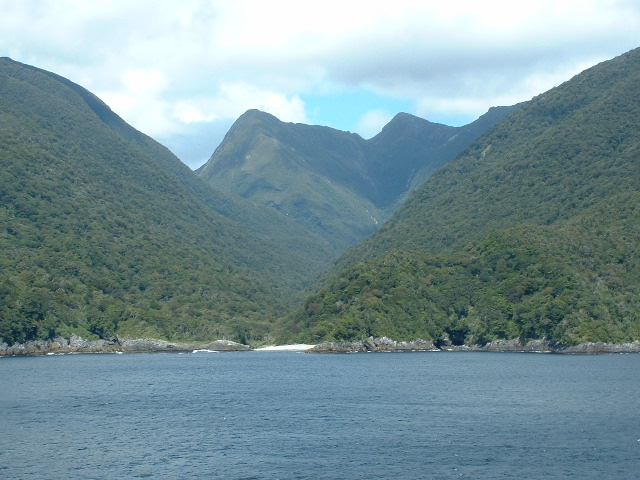
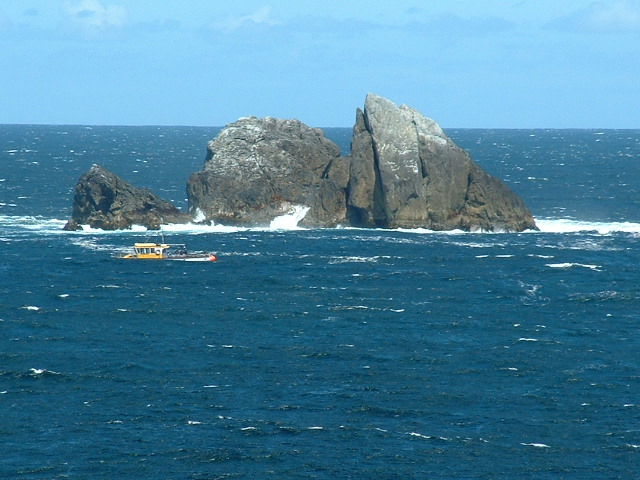
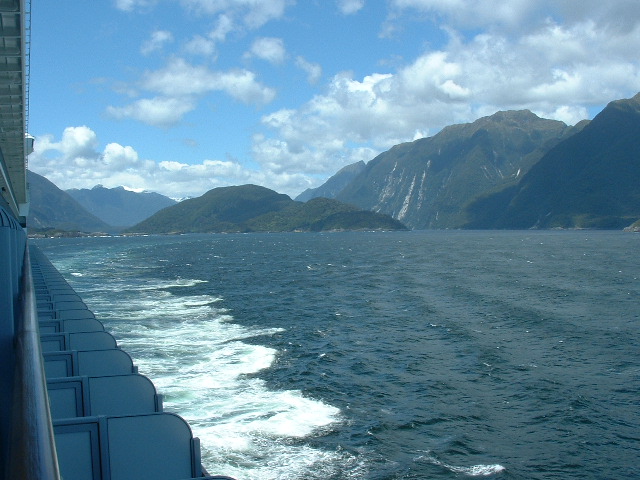
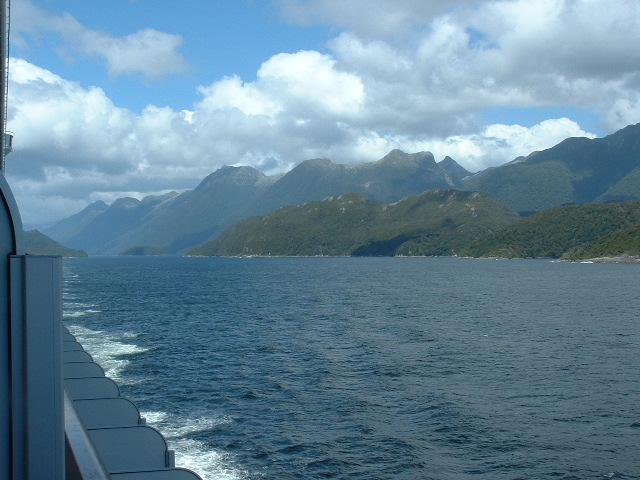
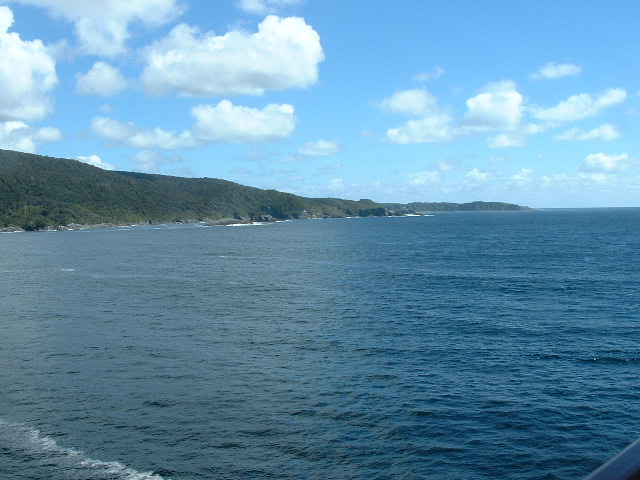
By late evening, we had reached the southern end of the park and South Island.
We had spent 10 glorious hours cruising down the west coast of Fiordland. What a special opportunity it was, with perfect weather to boot. It was truly an experience that only a few lucky people have.
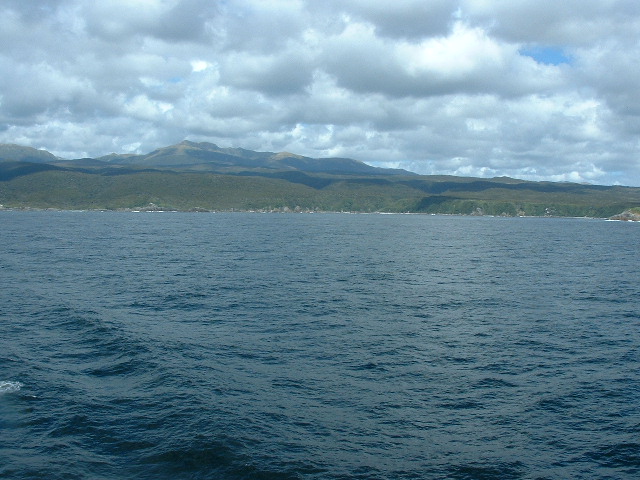
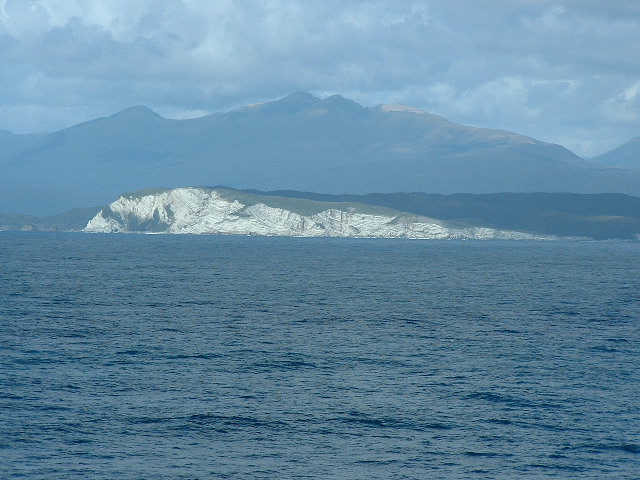
Chalky Island.
As daylight faded, we passed between South Island and Stewart Island, through Foveaux Strait, and then overnight made our way to Dunedin. Thanks for coming along on this special journey with me.